Asbestos in Industrial and Storage Facility Buildings
If your commercial or warehouse building was built prior to the 1980s, it's likely to have asbestos in insulation, pipeline lagging, ceiling panels, and flooring tiles. Aesthetic checks aren't sufficient— verified recognition calls for professional sampling and laboratory evaluation. Harmed or weakened materials boost the risk of airborne fibers and serious wellness impacts. Regulations mandate licensed taking care of and stringent documentation. Comprehending crucial warning indications and compliance steps is vital; discover further to protect occupants and ensure lawful security.
Takeaways
- Asbestos is frequently located in insulation, piping, roof covering panels, and ceiling ceramic tiles in commercial and storage facility buildings created prior to the 1980s.
- Visual inspection alone can not verify asbestos; research laboratory evaluation and licensed specialists are needed for recognition and analysis.
- Damaged insulation, fraying pipe wraps, and degenerating ceiling floor tiles are advising indicators of potential asbestos fiber launch.
- Only licensed abatement experts ought to handle asbestos elimination to ensure safety and security and regulative compliance.
- Homeowner must record asbestos monitoring and adhere to EPA and OSHA regulations to avoid lawful and wellness dangers.
Exactly how to Tell If Your Structure Has Asbestos

Commonly, it's challenging to visually confirm whether a structure consists of asbestos, as asbestos fibers are microscopic and commonly mixed into other products. To properly identify asbestos existence, you'll require to implement standard sampling methods, which need gathering product samples from suspect areas and sending them for laboratory analysis. get help here Relying exclusively on visual inspection is poor. Comprehensive air monitoring may likewise be essential, specifically if there's a danger of fiber disturbance during upkeep or improvement tasks. Examining historic documents, such as original building records and improvement logs, can help identify possible asbestos-containing products based upon the building's age and previous work. Keep in mind, as the residential or commercial property owner, you're accountable for ensuring any type of asbestos is correctly determined and managed in compliance with governing needs, lessening wellness and lawful dangers.
Usual Places Asbestos Is Found in Industrial Buildings
You'll commonly run into asbestos in insulation materials and piping systems throughout commercial facilities, especially those constructed prior to the 1980s. Roof covering, ceiling panels, and particular flooring products, including adhesives, are likewise frequent resources as a result of asbestos's longevity and fire-resistant properties. Recognizing these typical places is crucial for reliable risk evaluation and management.
Insulation Materials and Pipings
Within commercial buildings, insulation materials and pipes stand for some of one of the most common areas where asbestos-containing materials (ACMs) are come across. You'll typically discover asbestos used as thermal lagging, which was used to pipelines, boilers, and heat exchangers to improve power efficiency and protect against warmth loss. Pipeline insulation, particularly if installed prior to the 1980s, often has asbestos fibers because of their heat-resistant properties and resilience. get help here If you're reviewing a website, evaluate any kind of protecting covers, pre-formed pipe treatments, or sprayed layers, as these may consist of friable ACMs that launch fibers when interrupted. Don't ignore joints, valves, or junctions-– these areas commonly have added insulation. Correct identification and monitoring of asbestos in these products are critical to preserving office safety and regulative conformity.
Roof Covering and Ceiling Panels
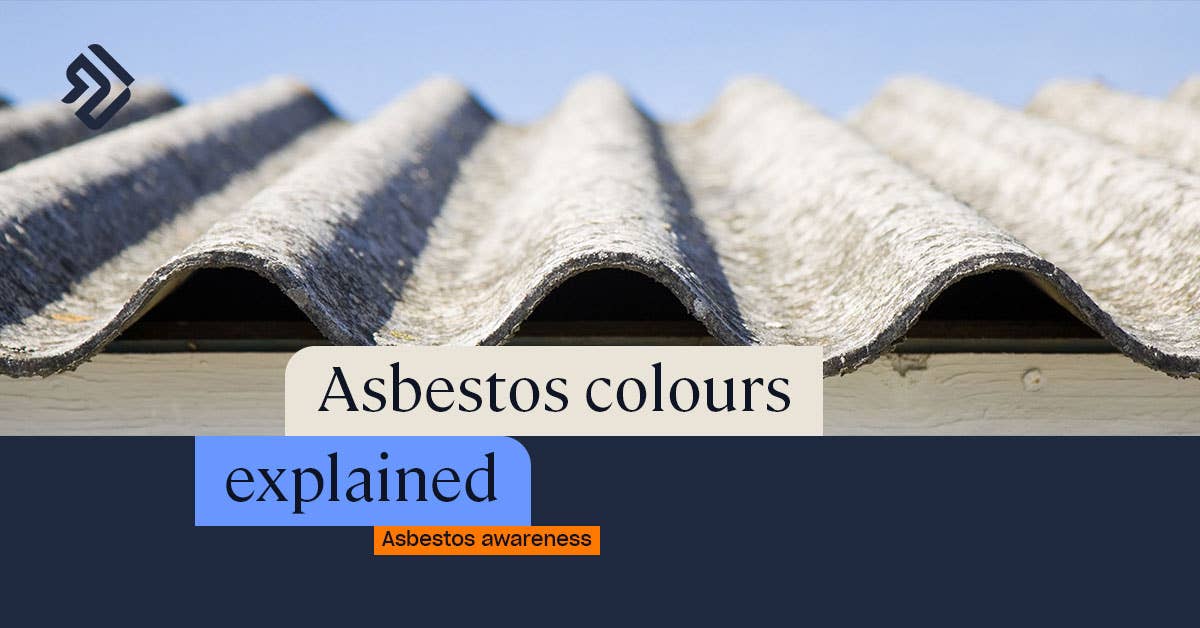
Scan the top reaches of commercial buildings, and you'll regularly come across asbestos-containing materials installed in roof and ceiling panels. Asbestos was regularly included to corrugated panels and acoustic tiles for its resilience, fire resistance, and protecting residential properties. You'll discover that both level and corrugated roofing panels might include chrysotile or amosite fibers— posing inhalation threats during routine upkeep or improvement. Acoustic tiles, usually set up to moisten sound in storehouse atmospheres, likewise frequently include asbestos, particularly in structures developed before the 1980s.
Feature
Asbestos Use
Corrugated panels
Architectural and weatherproofing
Acoustic ceramic tiles
Audio absorption, fireproofing
Ceiling panels
Insulation, light-weight layout
Disturbing these products, whether through drilling or removal, can release dangerous fibers into the air.
Floor Covering and Adhesive Products

Past roof and ceiling panels, asbestos often lurks below your feet in commercial settings, integrated into floor ceramic tiles, sheet floor covering, and the adhesives protecting them. If you take care of or function in older centers, you're most likely to encounter asbestos-containing plastic tiles and mastic adhesives. These products were preferred for their durability, fire resistance, and insulation residential or commercial properties. Asbestos fibers are installed in both the vinyl matrix and the adhesive layer, posing a possible breathing danger if disrupted throughout remodellings or repair services. According to governing bodies, also minor abrasion or elimination of these materials can launch harmful fibers into the air. It's essential to determine and examine suspect floor covering products before starting any type of work, following well established abatement procedures to guarantee the safety and security of occupants and employees.
Indication of Asbestos Direct Exposure Threats
You ought to know typical visual asbestos indications, such as harmed insulation, fraying pipeline covers, or degenerating ceiling tiles. It's likewise crucial to identify very early wellness signs like persistent cough, shortness of breath, or upper body discomfort, which might signal asbestos exposure. Determining these warning indications without delay can assist you lower potential wellness threats in commercial environments.
Usual Aesthetic Asbestos Indicators
While asbestos can not always be identified without lab evaluation, a number of aesthetic indicators might signify its existence in industrial structures. You need to be attentive for particular materials and problems that typically consist of or disclose asbestos. For example, if you observe crumbling insulation around pipelines or air ducts, it's feasible asbestos fibers are being launched. https://camdentownasbestosremoval.co.uk/services/refurbishment-demolition-survey.html Likewise, textured coatings on walls and ceilings— typical in older facilities— may consist of asbestos. Pay interest to the following:
- Crumbling insulation on mechanical systems, specifically if it's coarse or messy.
- Distinctive finishes (e.g., spray-applied ceilings) with a harsh, popcorn-like look.
 4. Old flooring ceramic tiles (typically 9-inch or 12-inch) and their adhesives.
 - Matured concrete sheets or panels in wall surfaces, roofings, or siding.
File any kind of suspicious products and seek professional evaluation.
Health Symptoms to Watch
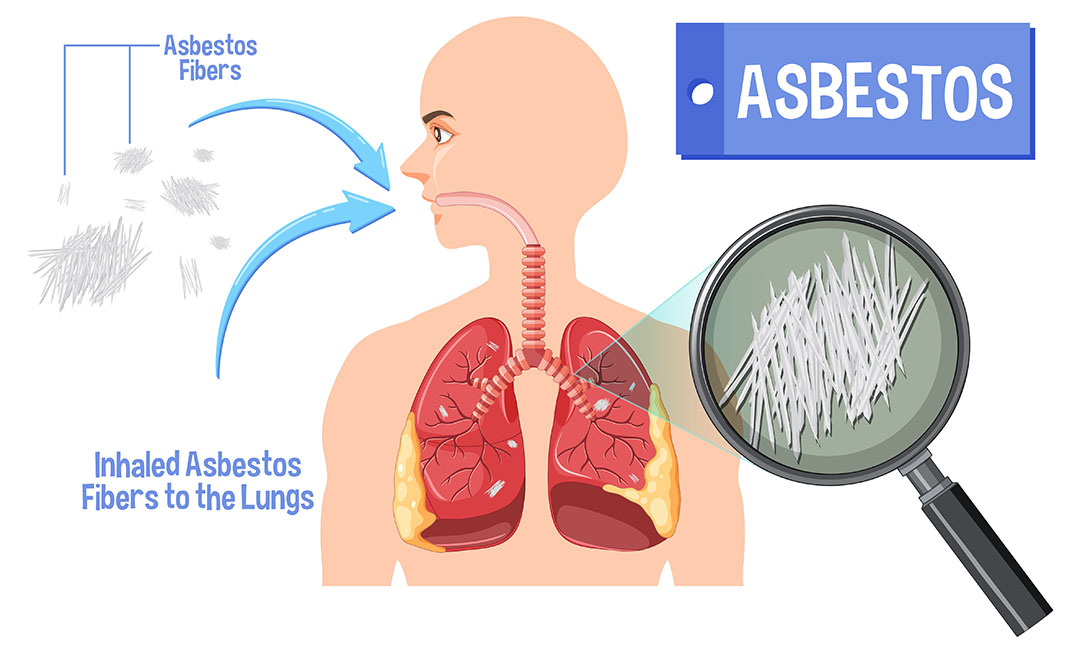
Commonly, early symptoms of asbestos direct exposure are subtle and easily mistaken for more typical respiratory conditions. You could observe relentless respiratory irritation, such as a persistent coughing, shortness of breath, or hissing. These symptoms can develop gradually and are often ignored, particularly in commercial and warehouse settings where dirt and airborne bits are typical. Along with respiratory system problems, be attentive for inexplicable skin lesions that might appear after straight contact with asbestos-containing materials. While less usual, skin sores can suggest dermal direct exposure and must not be overlooked. Clinical researches link long term asbestos direct exposure to a lot more extreme results, including asbestosis, lung cancer, and mesothelioma. Monitoring your health and wellness and reporting persistent or unusual signs without delay is essential for very early intervention and threat reduction.
Exactly How to Recognize Asbestos Products Safely
Due to the fact that inappropriate handling of asbestos-containing materials (ACMs) can result in severe health and wellness dangers, it's important to approach identification with rigorous adherence to safety protocols. You must never ever attempt to visually validate asbestos by yourself; many ACMs look comparable to non-hazardous products. Instead, use qualified specialists to perform asbestos screening and material sampling. These specialists use specialized procedures to accurately establish the visibility of asbestos fibers. To decrease threat, always follow these steps:
- Restriction gain access to to the believed location up until testing is complete.
- Stay clear of troubling any type of material that can have asbestos.
- Involve certified professionals for asbestos screening and product sampling.
- Use appropriate personal safety devices (PPE) throughout all assessment tasks.
Following these guidelines assurances precise identification while focusing on health and wellness.
Asbestos Regulations Every Center Supervisor Need To Know
Even though asbestos use has diminished over recent years, it's still based on rigorous oversight under regional, state, and federal regulations. As a facility supervisor, you're required to understand and abide by established regulatory timelines for asbestos inspections, administration, and reporting. For example, the EPA's National Discharge Specifications for Hazardous Air Pollutants (NESHAP) mandates details alert periods before remodelling or demolition entailing asbestos-containing materials. You're likewise responsible for making sure all employees receive proper training requirements, as laid out by OSHA criteria, which include yearly refresher courses for workers associated with asbestos-related jobs. Stopping working to fulfill these demands can cause substantial fines and enhanced liability. Remaining existing with evolving guidelines ensures both regulative conformity and the ongoing safety and security of your facility's residents and workforce.
What to Do If You Suspect Asbestos
If you encounter materials in your center that appearance dubious or scrubby, it's crucial not to interrupt them since asbestos fibers can end up being airborne when damaged. Immediate action is essential to decrease exposure risks and abide by policies. Your feedback needs to be methodical and informed by evidence-based techniques. Right here's what you should do:
- Isolate the Location: Restrict accessibility and clearly mark the presumed zone to avoid accidental disturbance.
- Notify Management: Notify your facility manager or safety and security police officer to launch the ideal emergency response procedures.
- Paper Observations: Record places, look, and any kind of potential damage for future recommendation and regulatory needs.
- Consult Professionals: Contact licensed asbestos specialists for material analysis and tasting.
Failing to act properly might result in considerable lawful ramifications and carcinogen for residents and staff.
Selecting Expert vs. DIY Asbestos Elimination
While asbestos elimination could seem straightforward, the decision between hiring professionals and attempting a do-it-yourself method involves cautious consideration of regulatory, safety and security, and technological variables. If you're not learnt asbestos handling, DIY elimination significantly boosts your risk of exposure and legal non-compliance. Certified reduction professionals comply with strict methods, make use of specific tools, and get rid of products according to lawful requirements. Although working with specialists may appear costly, a comprehensive price comparison need to account for potential penalties, wellness risks, and obligation connected with incorrect elimination. Proof shows that do it yourself efforts can unintentionally spread asbestos fibers, compromising both occupant safety and security and structure stability. Eventually, involving certified abatement assurances regulatory conformity, decreases direct exposure dangers, and offers documented assurance that asbestos has actually been handled properly and safely.
Ideal Practices for Avoiding Future Asbestos Threats
Although asbestos might no more be utilized in new building and construction, heritage products in commercial structures still position substantial dangers without continuous alertness. here To protect against future asbestos hazards, you must implement an organized technique grounded in evidence-based techniques. artex removal specialists Regular asbestos audits and continuous preventative upkeep are necessary for early discovery and mitigation. Constant adherence to regulatory criteria will also assure occupational security. For ideal outcomes, think about the following finest practices:
- Set up regular asbestos audits to determine and check all asbestos-containing materials.
- Apply a preventative maintenance program * to deal with deterioration prior to fiber release* occurs.
- Train personnel on asbestos understanding and emergency situation procedures to minimize accidental disruption.
- Paper all searchings for and activities to guarantee compliance and facilitate future risk analyses.
These steps will certainly maintain a risk-free, certified environment.
Regularly Asked Concerns
Can Insurance Cover Asbestos Removal Expenses in Industrial Structures?
You 'd believe insurance protection would acutely take in the costs of asbestos removal responsibility, but that's seldom the case. The majority of industrial home policies particularly leave out asbestos reduction, citing contamination exemptions. If you're wishing for remediation obligation coverage, you'll need customized ecological insurance, and even then, terms can be restrictive. Proof shows insurance firms usually withstand obligation for pre-existing pollutants, changing the economic burden for asbestos elimination squarely onto the building proprietor's shoulders.
Just How Does Asbestos Impact Home Value in Storage Facilities?
Asbestos visibility directly lowers a storehouse's building worth because of heightened removal expenses and regulative demands. You'll face decreased marketability, as purchasers watch out for potential wellness liabilities and future costs. Additionally, there's enhanced funding threat, given that loan providers might wait or enforce more stringent lending conditions. Proof suggests properties with asbestos are evaluated lower, showing both the immediate costs of reduction and the lasting effect on resale possibilities and insurability.
Are Workers Entitled to Settlement for Asbestos-Related Conditions?
Yes, you're normally entitled to employees' settlement if you develop asbestos-related conditions because of occupational exposure. Employees' payment covers medical costs and lost wages without requiring proof of company neglect. In many cases, you may likewise seek 3rd party insurance claims if a maker or specialist added to your direct exposure. Scientific proof web links asbestos direct exposure to diseases like mesothelioma cancer, giving solid lawful and clinical premises for settlement qualification under a lot of jurisdictions.
What Are the Disposal Needs for Asbestos Waste From Warehouses?
It's no coincidence you're asking around regulated disposal— managing asbestos waste is strictly managed. You'll need to double-bag or seal asbestos products in leak-tight containers and identify them plainly. Just accredited facilities can accept such waste, and you should acquire disposal certificates as evidence of authorized handling. Laws require comprehensive documents of transportation and disposal to avoid contamination, guaranteeing you're fully liable and certified with all security and ecological requirements.
The Length Of Time Does Professional Asbestos Remediation Normally Take?
Professional asbestos remediation normally takes anywhere from a few days to a number of weeks, depending on the project's range and the control approach carried out. You'll discover that the task timeline is affected by the quantity of asbestos, availability of impacted areas, and the intricacy of the elimination procedure. Proof shows that stringent containment method and detailed website purification are essential steps, guaranteeing safety and regulatory conformity throughout the removal procedure.